News
How Europe Is Strategically Accelerating the Scaling of Citizen Science
Published
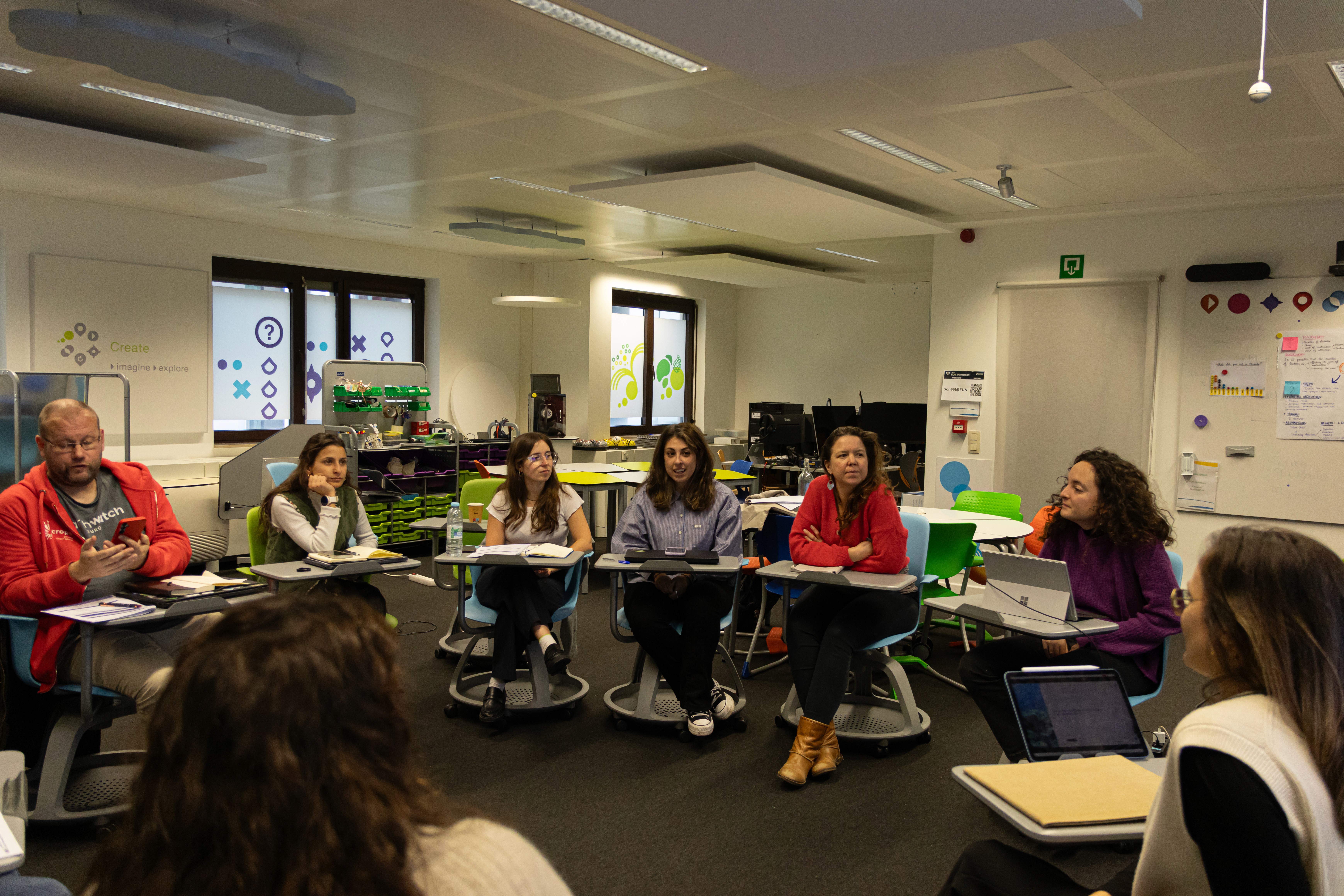
At the end of November, representatives of CS-MACH1 met in Brussels with the Horizon Europe sister projects CROPS and ScienceUs, two flagship initiatives shaping how citizen science is scaled, supported, and integrated across the European Research Area. The meeting highlighted how Europe is rapidly strengthening the infrastructures, methodologies, and support systems required to make citizen-generated data a trusted and strategic component of research and innovation.
During the Brussels discussions, CROPS and ScienceUs presented their first major results, offering two complementary perspectives on how citizen science can grow responsibly and sustainably.
CROPS showcased its work on the methodological foundations required for scaling, having:
built transnational communities connecting practitioners across Europe;
created a Citizen Science Champions Podcast highlighting the stories of citizen science leaders across EU Missions;
Mapped over 500 initiatives and assessed their scalability potential;
created a Massive Online Education Course (MOOC) to bring citizen science in classrooms;
launched citizen science futures visioning online workshops (Ocean and Water) running for the whole 2026, with the aim to assess the societal benefit of citizen science in Europe (sign up here).
In parallel, ScienceUs presented its acceleration model, which focuses on supporting projects already showing strong potential. Through competitive selection, mentoring, capacity-building, and hands-on guidance, ScienceUs helps citizen science initiatives refine methodologies, strengthen governance, develop sustainability strategies, and prepare for national or cross-border expansion.
Together, these two sister projects demonstrate that Europe is not only expanding the practice of citizen science, it is strategically equipping it with the tools, governance frameworks, and support networks necessary for long-term impact.
For CS-MACH1, the meeting reaffirms that scaling citizen science is not only a matter of engaging more people or generating more observations. It requires structured data pathways, interoperability, metadata standards, validation routes, and sustainable infrastructures — all essential pillars of our work.
The developments presented by CROPS and ScienceUs align directly with CS-MACH1’s mission to create a Marine Citizen Science Data Network, ensuring that data collected by communities, sailors, divers, schools, and local groups can flow into trusted repositories such as EMODnet, national monitoring systems, and future Mission Ocean data spaces.