Events
CS-MACH1 Marine Citizen Science data network workshop’s agenda is online: join us on the 3-4 February 2026
Published
Check out the agenda for CS-MACH1 Marine Citizen Science (MSC) data network workshop taking place on 3-4- February 2026 in Ostend (Belgium) and online.
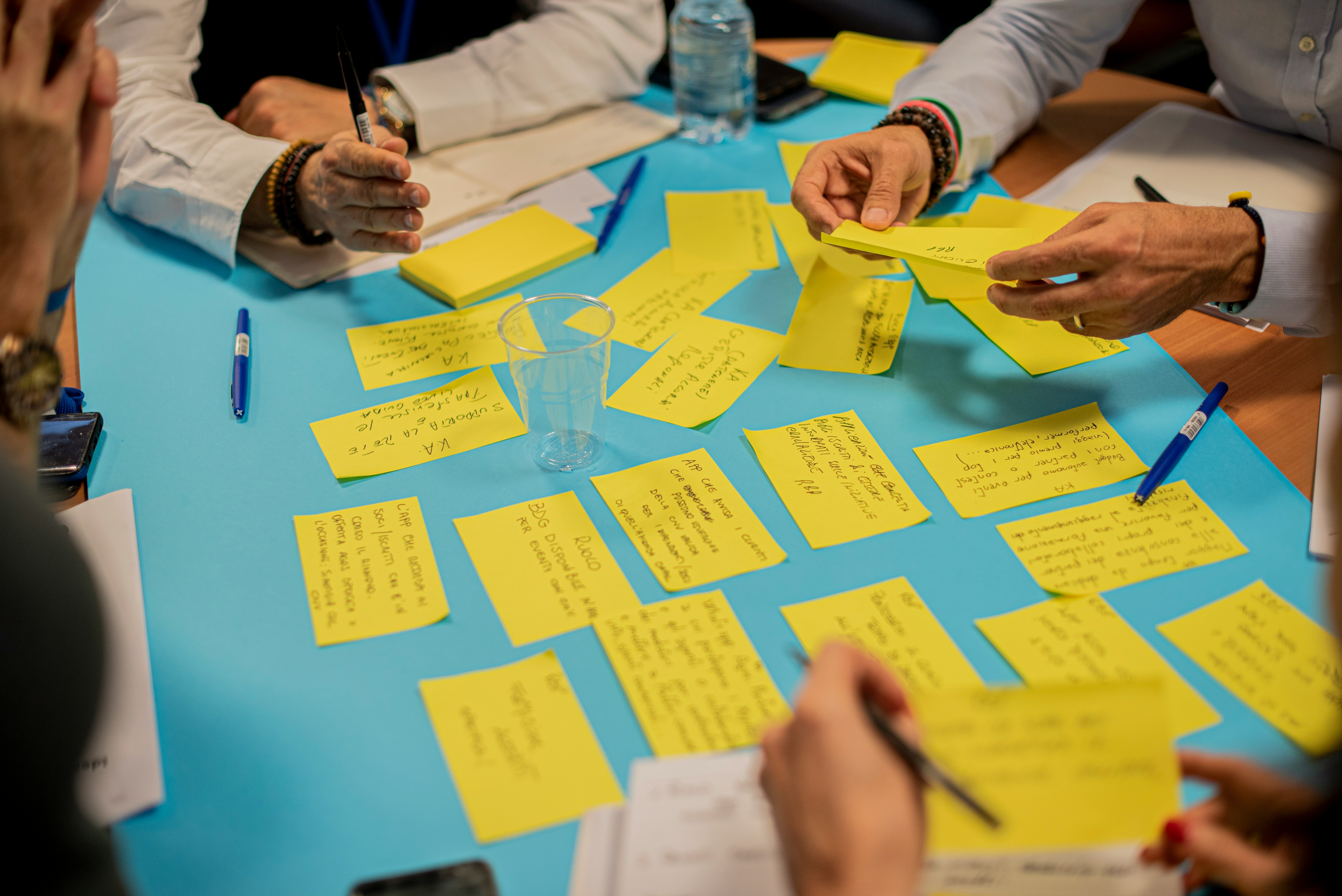
CS-MACH1 MCS data network workshop will address barriers in MCS data flow and showcase how they can possibly be overcome. During the workshop you will learn about the Horizon Europe project CS-MACH1 goals and services, the contribution of MCS data to biodiversity knowledge, and water chemical and physical parameters monitoring.
The second day of the workshop will be dedicated to successful MCS data flow stories and case studies showing how CS-MACH1 service will support re-use of citizen science data.
The workshop will be in hybrid format, both in-presence in Ostend (Belgium) and online. If you haven’t registered yet, you can still jump in at the very last moment and join the online participants using the links in the agenda below.
MEETING AGENDA
3rd of February (link: https://tinyurl.com/2yzs4xsj)
Workshop opening and Menti session
14:00 - Welcome (Jan Seys, VLIZ/ Emilie Brévière, SMHI)14:10 - CS-MACH1 project overview (Viviana Piermattei, CMCC)
14:20 - Workshop goals (Patrick Gorringe, SMHI/ Antonio Novellino, ETT)
activation of the network
co-design on recommendations for data management, observation protocols and best practices
14:30 - EMODnet: the EU’s in situ marine data service (Kate Larkin, EMODnet Secretariat/Seascape Belgium)
14:35 - Icebreaker Mentimeter session (Master: Sigmund Kluckner, IEEE/Moderators: Peter Thijsse, MARIS/ Antonio Novellino, ETT)
Short pitches on CS-MACH1 sub goals
14:50 - Working towards FAIR citizen science data and metadata (Peter Thijsse, MARIS)
15:00 - Connecting and managing citizen science ocean physics data (Antonio Novellino, ETT)
15:10 - Ocean best practices for marine citizen science projects (Sigmund Kluckner, IEEE)
15:20 - Break (15 minutes)
Biodiversity session
15:35 - How can citizen science contribute to EMODnet Biology (Cyril Radermecker, VLIZ/EMODnet Biology, Belgium)
15:40 - Connecting citizens to science: data quality and data flow in Explore Your Shore! (Dave Wall, National Biodiversity Data Centre, Ireland)
15:45 - How the application minka.vliz.be enhanced data flow in SeaWatch-B and Big Seashell Survey (Nancy Fockedey, VLIZ, Belgium)
15:50 - A marine BioBlitz in the Baltic Sea: challenges and opportunities (Lina Mtwana Nordlund, Uppsala university, Sweden)
15:55 - Short discussion
Chemical parameters and litter session
16:10 - Eyeonwater.org - app and concept collection water colour and transparency data (Peter Thijsse, MARIS, the Netherlands)
16:15 - Lémanscope: participatory science to monitor Lake Geneva's water quality (Laurence Glass-Haller, EPFL, Limnology Center, Switzerland)
16:20 - Citizen science and crowdsensing for environmental research, awareness and empowerment (Paolo Diviacco, National Institute of Oceanography and Applied Geophysics - OGS, Italy)
16:25 - Global long-term monitorings of plastics < 0.3mm in the oceans involving citizen scientists (Roman Lehner, Sail & Explore Association, Switzerland)
16:30 - Litter data management in EMODnet & citizen science contribution (Maria Eugenia Molina Jack, OGS, Italy (remotely))
16:35 - Short discussion
16:50- Break (10 minutes)
Physical parameters session
17:00 - From physical parameters to biodiversity: building the metadata foundation (Dan Voyce, Scuba Network, UK)
17:05 - The world's largest ocean citizen science project – divers measure the ocean, a strong partnership for a global task (Frank Schweikert, German Ocean Foundation, Germany)
17:10 - MeteoTracker, an integrated hardware and software ecosystem for citizen science projects (Juri Iurato, Iotopon SRL, Italy)
17:15 - A large-scale and long-term distributed temperature and biodiversity observing network (Fernando Lima, ElectricBlue and BIOPOLIS, University of Porto, Portugal (remotely))
17:20 - From classrooms to currents: physical ocean data from miniboats (Cassie Stymiest, Educational Passages, USA (remotely))
17:25 - Short discussion
17:40 - End of day 1
4th of February (link: https://tinyurl.com/mtfp5f5u)
Marine Citizen Science data flow success stories
9:00 - Spot the Alien citizen science campaign: a 4 year long tale of data collection (Alessio Marrone, UM)
9:15 - Scalable and affordable technologies developed for coastal and estuarine monitoring (Juan Francisco Martinez Osuna, CMCC)
9:30 - Explanation of the next session process (Peter Thijsse, MARIS/ Antonio Novellino, ETT)
Opening of the “CS-MACH1 services”: supporting steps towards re-use of citizen science data
9:40 - Case 1: Cost-efficient sensor for physical data citizen science case
Data flow in Scuba Network case - (5-10’)
Physical domain experts (20’)
Q&A with online audience (15’)
(Moderator: Antonio Novellino, ETT/ Dan Voyce, Scuba Network, Peter Thijsse, MARIS, Patrick Gorringe, SMHI)
10:25 – Break (20 minutes)
10:45 - Case 2: Observation of a marine biodiversity citizen science case
Background and examples
Data flow in CS concept – insights from the EMODnet Biology & EurOBIS Data Management Team
Q&A with online audience
(Moderator: Cyril Radermecker & Leen Vandepitte, VLIZ data centre & EMODnet Biology, EurOBIS)
11:30 - Case 3: Observation of marine litter citizen science case
Data flow in the Sail & Explore Association (5-10’)
Marine litter/Chemistry experts (20’)
Q&A with online audience (15’)
(Moderator: Peter Thijsse, MARIS/ Roman Lehner, Sail & Explore Association, Maria Eugenia Molina Jack, OGS & EMODnet Chemistry (remotely))
12:15 - Closing words (Antonio Novellino, ETT/ Patrick Gorringe, SMHI/ Viviana Piermattei, CMCC)
12:30 - End of workshop