News
CS-MACH1 at ECSA 2026: Advancing Blue Citizen Science in Europe
Published
At the 2026 European Citizen Science Association (ECSA) Conference in Oulu, Finland, the CS-MACH1 project contributed to advancing citizen science for marine and freshwater environments, engaging with over 600 researchers and practitioners from across Europe and beyond.
Through a coordinated set of sessions, workshops, and poster contributions, CS-MACH1 supported dialogue on how to strengthen blue participation, improve data interoperability, and align citizen science efforts with European research and policy frameworks, including Mission Ocean.
Sessions and workshops
CS-MACH1 co-organised a dedicated set of activities focused on marine and coastal citizen science, including:
Citizen Science Pathways in Marine and Coastal Monitoring and Research: From Data to Action in Blue Participation
🔗 https://www.ecsa2026.ngo/programme/#17145
(Two panel sessions)
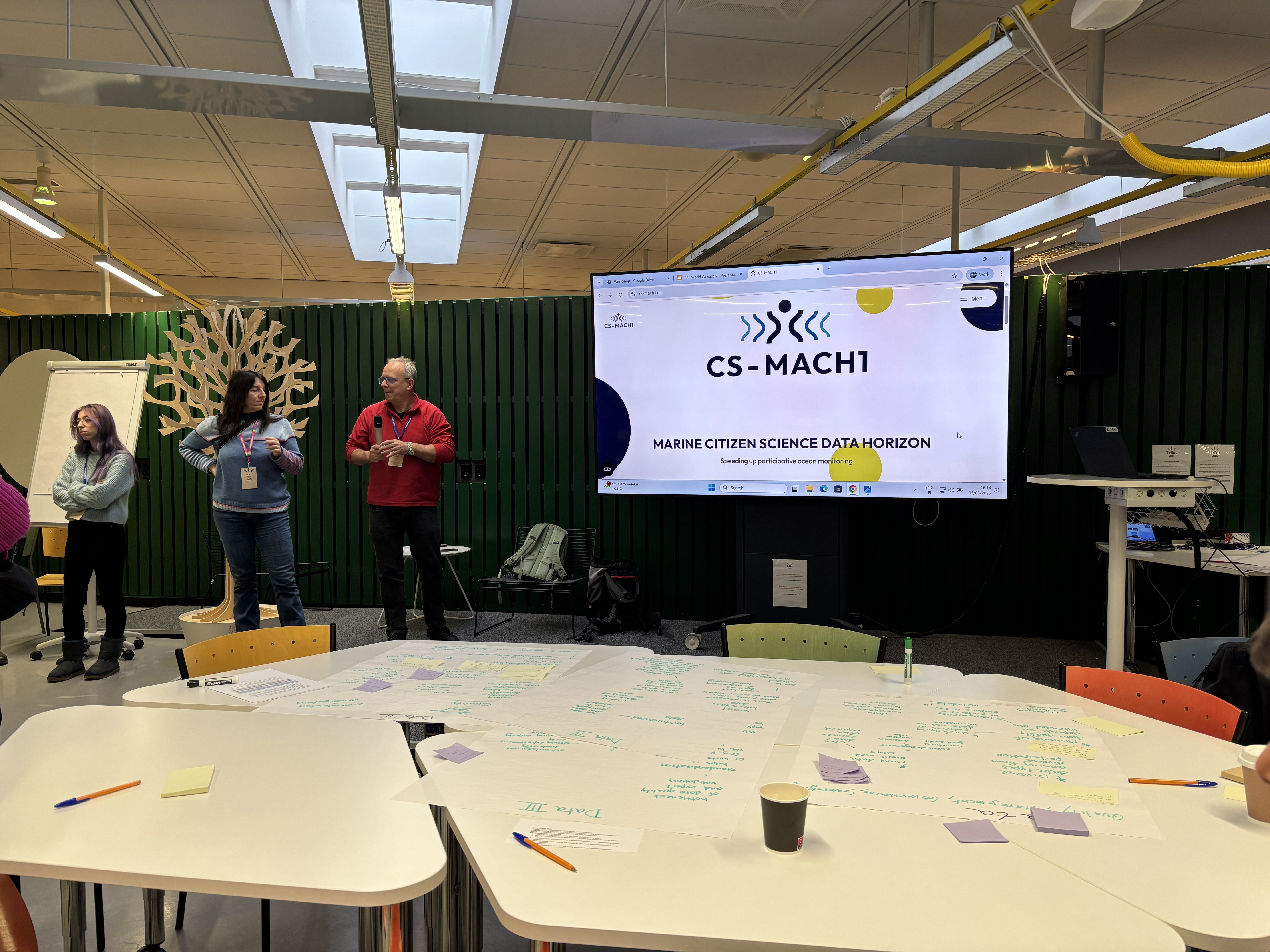
Showcasing case studies on how citizen science contributes to ocean monitoring, research, and decision-making processes.Citizen Science in the Ocean & Waters Mission: Exploring Challenges and Opportunities for Blue Participation
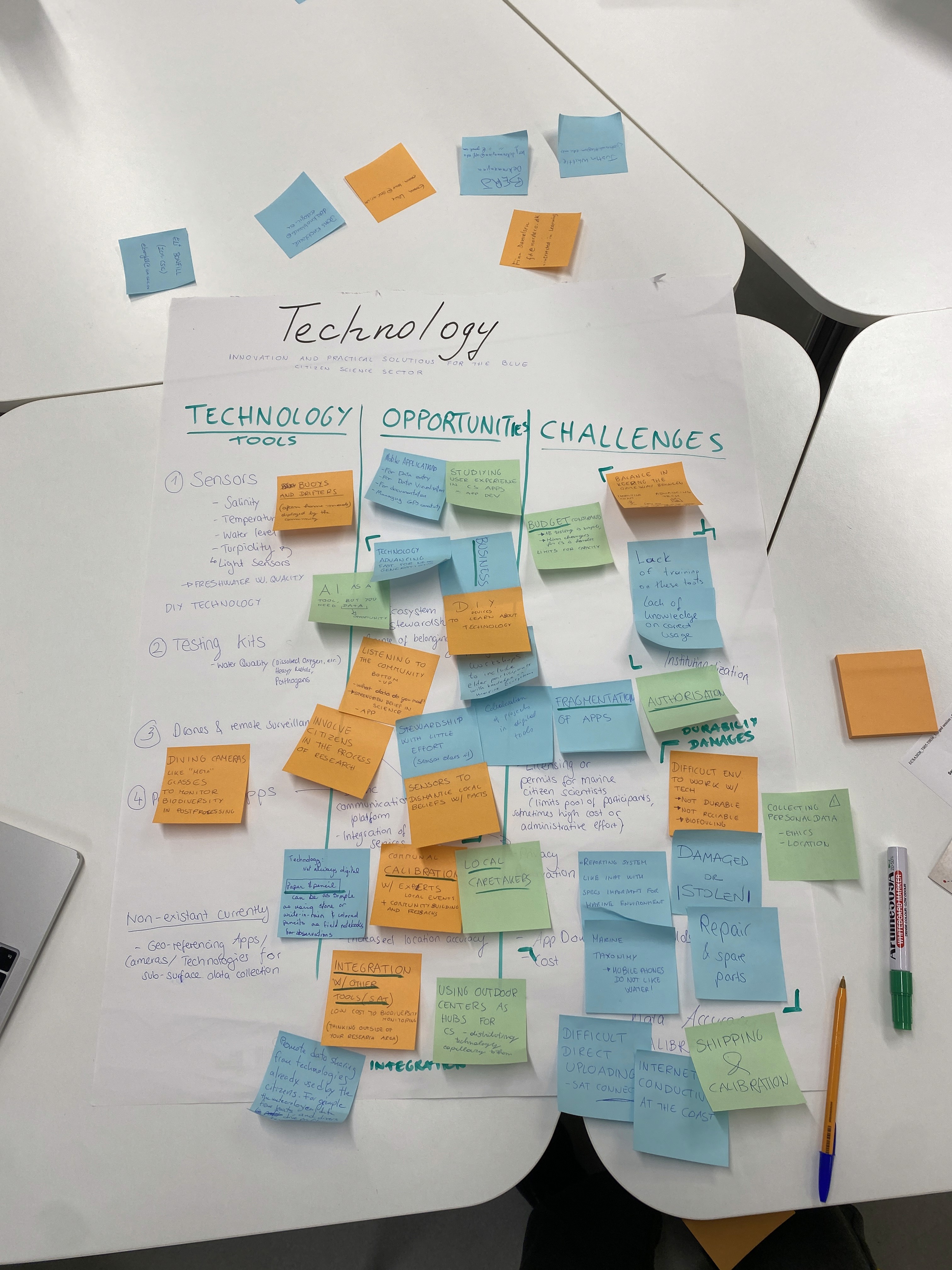
(Interactive World Café workshop)
Engaging over 50 participants across thematic tables on blue literacy, technologies, data, and engagement, contributing to the development of shared approaches and future collaboration.
CS-MACH1 partners also contributed to the poster programme, highlighting both applied innovation and methodological development:
Maccaferri Futura – Onboard Research
Demonstrating how offshore racing vessels can act as platforms for environmental monitoring, collecting physical, chemical, and biodiversity data and contributing to infrastructures such as EMODnet PhysicsCollecting Practices and Methods in Marine Citizen Science for Increased, Shared Impact
Addressing the need for standardised, documented, and transferable practices, supporting knowledge sharing and replication across marine citizen science initiatives.
CS-MACH1’s participation reinforced its role in:
Supporting the development of FAIR and interoperable marine citizen science data systems
Contributing to the establishment of the Marine Citizen Science Data Network (MCSDN)
Aligning citizen science practices with EU Mission Ocean objectives
The outcomes of the sessions, including the World Café discussions, will feed into joint scientific outputs and future project activities.
ECSA 2026 confirmed the growing importance of citizen science in Europe.
CS-MACH1 will continue to contribute to this momentum by strengthening connections between communities, data infrastructures, and policy, supporting a more coordinated and impactful approach to marine citizen science