News
“A project strongly desired by all partners, because it is necessary”. Interview with CS-MACH1 coordinator Dr. Viviana Piermattei
Published
Inspired by the speed of sound, CS-MACH1 is a EU-funded project marking the beginning of a fast, collaborative, and multidisciplinary effort to improve Marine Citizen Science. The project adopts a dynamic approach to build a Network to bring Citizen Science closer to reaching its full scientific and societal potential.
Coordinated by the CMCC Foundation, the project mobilizes experts in oceanography, data science, technology, and citizen engagement to close the gap between local observations and large-scale scientific and policy needs.
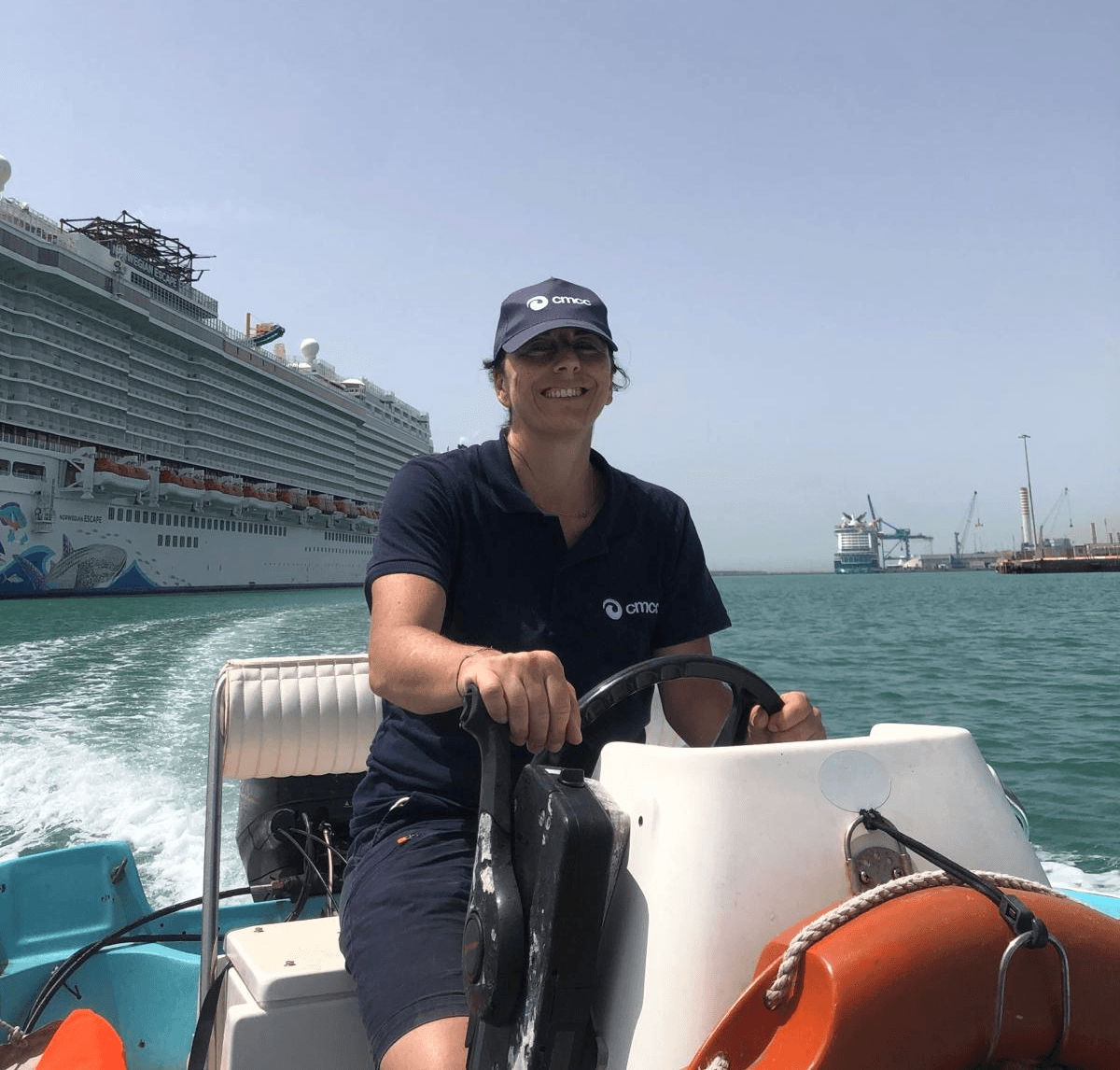
The project coordinator, Dr. Viviana Piermattei from CMCC Foundation, explains why CS-MACH1 arrives at a crucial moment for ocean knowledge and protection. “CS-MACH1 is a project that CMCC and all partners strongly supported because it addresses the urgent need for new integrated observing systems based on Citizen Science, aimed at better understanding and managing environmental challenges.”
The ocean is changing faster than ever, and monitoring efforts must evolve just as quickly. CS-MACH1 responds by building a truly integrated approach that links in situ observations with numerical modelling, strengthening the flow of information from citizens to science and from science to society.
This synergy, the coordinator explains, is essential: “It can support science, society, and policy makers in facing the challenges of a changing ocean.”
Through CS-MACH1, researchers will be able to access a richer flow of coastal and marine data, as well as new technologies and improved data collection methodologies. These data, though, are not going to be relegated to academic papers only: they will be accessible to policymakers to guide them in making decisions about sustainable ocean management, climate adaptation, and environmental protection.
In CS-MACH1 view, citizens are not just contributors but key actors in building and expanding the Marine Science Data Network of observations. As the coordinator explains: “Citizen engagement expands observational capacity, enhances environmental awareness, and strengthens the connection between people and the ocean.”
Managing such an ambitious project offers interesting challenges, mostly related to the complexity of coordinating a multi-disciplinary, international team of European partners. However, for Dr. Piermattei challenges and opportunities are faces of the same coin. “CS-MACH1 offers a unique chance to strengthen collaboration across scientific disciplines, promote innovation in marine observing systems, and demonstrate how Citizen Science can meaningfully contribute to research and policy.”
Looking ahead, the coordinator foresees a rapid expansion and professionalization of Marine Citizen Science. “It is evolving rapidly, moving from isolated initiatives toward more structured, technology-driven, and scientifically integrated approaches.”
Advances in mobile apps, smart sensors, low-cost tools, and FAIR (Findable, Accessible, Interoperable, Reusable) open data platforms are accelerating this shift. As these technologies mature, Citizen Science will shift from being a parallel track to becoming a core component of marine monitoring frameworks, complementing institutional systems and improving the resolution and relevance of ocean knowledge.
According to Dr. Piermattei “This progress will make citizen contributions a fundamental part of marine monitoring network, supporting the development of new important tools for ocean knowledge and management.”
Just as Mach 1 symbolises the threshold at which sound breaks through into new speed regimes, CS-MACH1 aims to break through long-standing barriers, data fragmentation, limited integration, and lack of recognition, to unleash the full potential of Marine Citizen Science.
CS-MACH1 is set to accelerate collaboration, innovation, and citizen engagement, bringing us closer to a future where everyone can contribute to understanding and protecting our ocean.